Common Entry Points Rodents Use to Access Properties
Local contractors specializing in rodent pest control can identify and seal common entry points rodents use to access properties, helping prevent infestations effectively.
Understanding the common entry points rodents use to access properties is an important step for property owners looking to prevent infestations. These pests are skilled at finding small openings around foundations, vents, utility lines, and gaps in walls or doors. Recognizing these vulnerable spots can help homeowners and business owners take practical measures to secure their properties. Exploring this topic is especially relevant for those in the area who want to protect their investments and maintain a pest-free environment, as local contractors specializing in rodent pest control can assist with identifying and sealing these access points effectively.
By learning about how rodents gain entry, property owners can better assess their surroundings and implement targeted solutions. Local service providers experienced in rodent pest control are equipped to handle these issues, offering inspections and repairs that address the most common entry points. Keeping these pests out not only reduces the risk of property damage but also contributes to a healthier, more comfortable space. Continuing to explore this subject can help ensure that effective prevention methods are in place, supported by professionals who understand the unique challenges of the local area.
- Entry Point Sealing - homeowners noticing rodent activity may need local contractors to identify and seal gaps or holes around foundations and walls.
- Roof and Attic Inspections - properties with signs of rodent intrusion often require experts to inspect and secure roof vents, soffits, and attic openings.
- Garage and Basement Repairs - when rodents are accessing through garage doors or basement walls, service providers can help reinforce these areas against entry.
- Utility Penetration Fixes - local pros can address entry points where utility lines enter the building, such as pipes and wiring gaps.
- Exterior Wall and Foundation Work - properties with cracks or damaged siding may need specialists to repair and block potential entry routes for rodents.
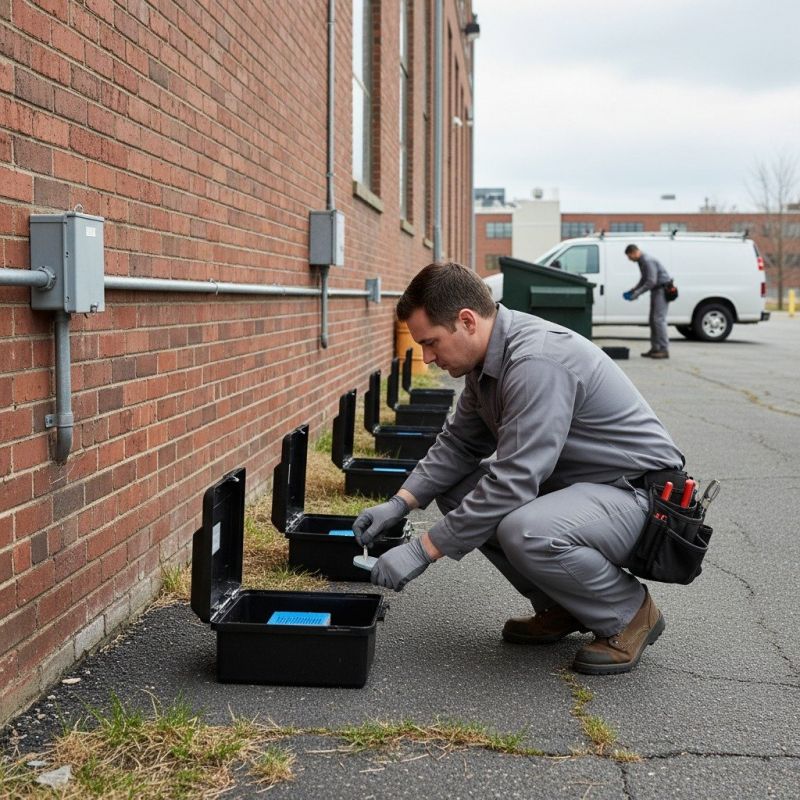
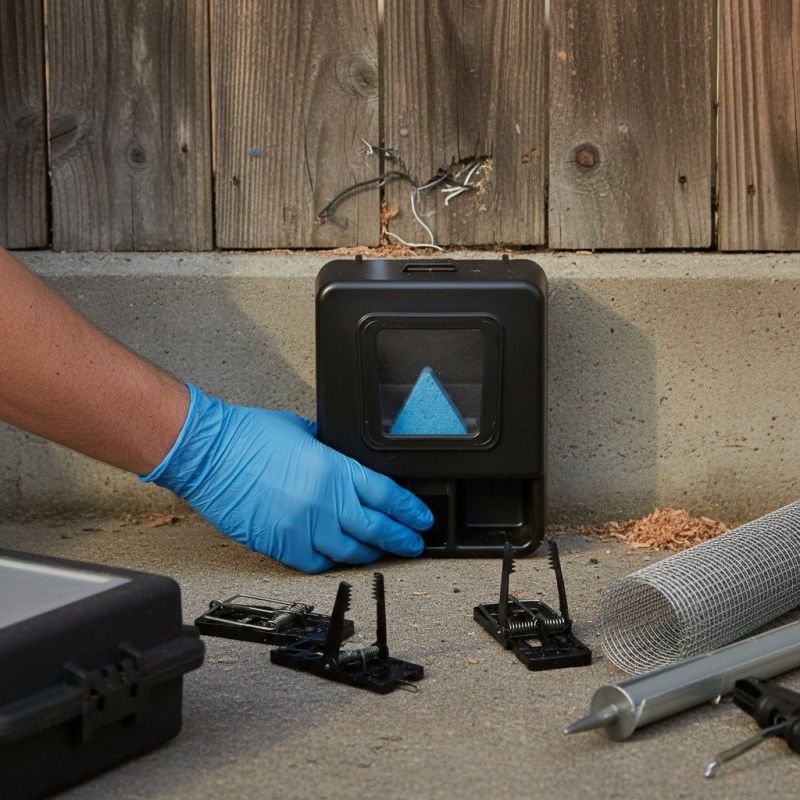

Understanding common entry points rodents use to access properties is essential for homeowners dealing with or preventing rodent infestations. When searching for this topic, people typically want to learn where rodents are likely to find openings to get inside their homes or buildings. These entry points often serve as the first step in a larger pest problem, leading to damage, contamination, and health concerns. Homeowners may be planning a property inspection, considering repairs, or seeking advice on how to block these access points effectively. Recognizing these potential entryways helps in developing a targeted approach to rodent exclusion, which local pest control service providers can assist with through inspections and sealing services.
The problems associated with rodents entering properties are varied and often serious. Once inside, rodents can cause structural damage by gnawing on wood, wiring, and insulation. They are also known to contaminate food supplies and spread diseases through their droppings and urine. Property owners might be looking to prevent future issues or address current infestations, making it vital to identify how rodents are gaining access. Planning a rodent control project often involves pinpointing these entry points to implement effective exclusion strategies. Local pros specializing in rodent pest control can evaluate the property, identify these vulnerabilities, and recommend sealing or repair work to block rodents from re-entering.
Certain types of properties are more prone to issues with entry points used by rodents. Residential homes, especially older houses with gaps around windows, doors, and utility lines, are common targets. Commercial buildings, warehouses, and storage facilities also face risks due to larger openings or less frequent maintenance. Outbuildings like sheds, garages, and barns often have gaps around vents, eaves, or foundation cracks that can serve as entry points. Properties located near wooded areas, fields, or other natural habitats may experience higher rodent activity, as these environments provide easy access and shelter. Understanding these property types helps homeowners and property managers prioritize inspections and work with local service providers to address vulnerabilities effectively.
Local pest control professionals play a key role in identifying and sealing common entry points rodents use to access properties. Through thorough inspections, they can locate small gaps, cracks, and holes that might be overlooked by untrained eyes. Once identified, these entry points can be sealed with appropriate materials to prevent rodents from re-entering. In addition to sealing, many service providers offer advice on property maintenance and repairs that reduce the likelihood of future infestations. Engaging with local pros ensures that property owners receive expert assistance tailored to their specific property type and situation, making it easier to implement long-term exclusion measures. This proactive approach helps protect properties from recurring rodent problems and the damage they can cause.
Home Inspection Projects - home inspectors assess properties for entry points rodents may use, which requires skills in identifying gaps, holes, and structural weaknesses that local contractors can address.
Building Envelope Repairs - projects focused on sealing and weatherproofing buildings involve planning and tools similar to those used in rodent entry point mitigation to prevent pest access.
Structural Reinforcement Projects - strengthening building foundations and walls to close off access points shares techniques with pest-proofing efforts to block rodent entryways.
Gutter and Drainage System Installations - installing or repairing drainage can help eliminate rodent pathways, requiring planning skills comparable to sealing entry points.
Attic and Crawl Space Encapsulation - sealing these areas to prevent pest entry involves similar inspection and sealing techniques used in rodent-proofing projects.
Exterior Damage Repairs - fixing siding, fences, or landscaping that create access points involves planning and tools aligned with those used by local service providers addressing rodent entry sites.
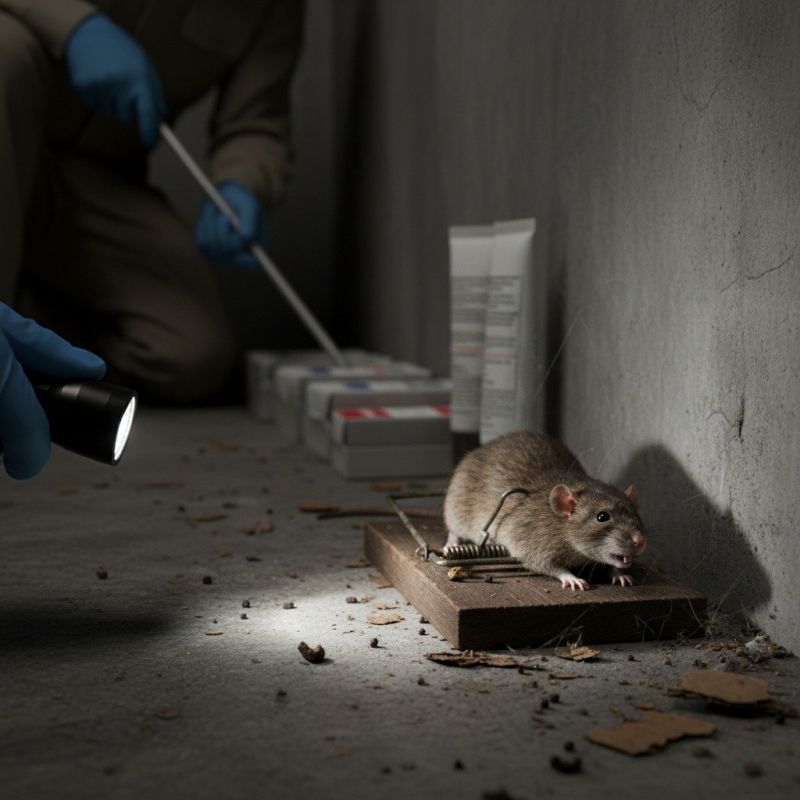
When comparing local contractors for rodent pest control, it is important to consider their experience with similar projects, particularly those involving identifying and sealing common entry points rodents use to access properties. An experienced service provider will have a clear understanding of typical entry sites such as gaps around doors, vents, utility lines, and damaged soffits, ensuring they can effectively address the root causes of an infestation. Reviewing a contractor’s background with similar cases can provide confidence that they are familiar with the challenges specific to your property type and can implement appropriate solutions.
Clear, written expectations are essential when evaluating potential service providers. A reputable contractor should be able to provide detailed descriptions of the scope of work, including inspection procedures, sealing techniques, and follow-up measures. This transparency helps ensure that both parties understand what will be done to prevent rodents from entering through common access points and what the process entails. Having this information in writing also serves as a reference throughout the project, reducing misunderstandings and ensuring the work aligns with the property owner’s needs.
Good communication and reputable references are key indicators of a dependable service provider. Contractors who are willing to share references from previous clients demonstrate transparency and confidence in their work. Speaking with past customers can reveal insights about their experience, such as how well the contractor identified entry points, managed expectations, and handled any issues that arose. Additionally, a contractor who maintains open lines of communication and responds promptly to questions can make the process smoother and more straightforward, helping property owners feel assured that their concerns about rodent entry points are being addressed professionally.
Property owners often search for common entry points rodents use to access properties when they are planning practical projects around their homes and businesses. Local pros provide Rodent Pest Control services for everyday jobs and straightforward project options.
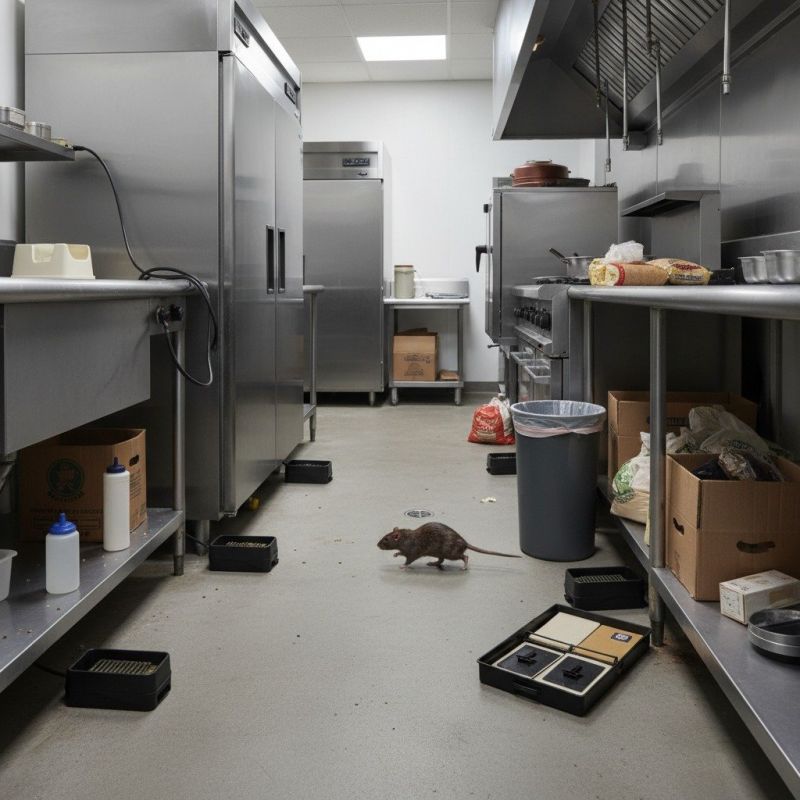
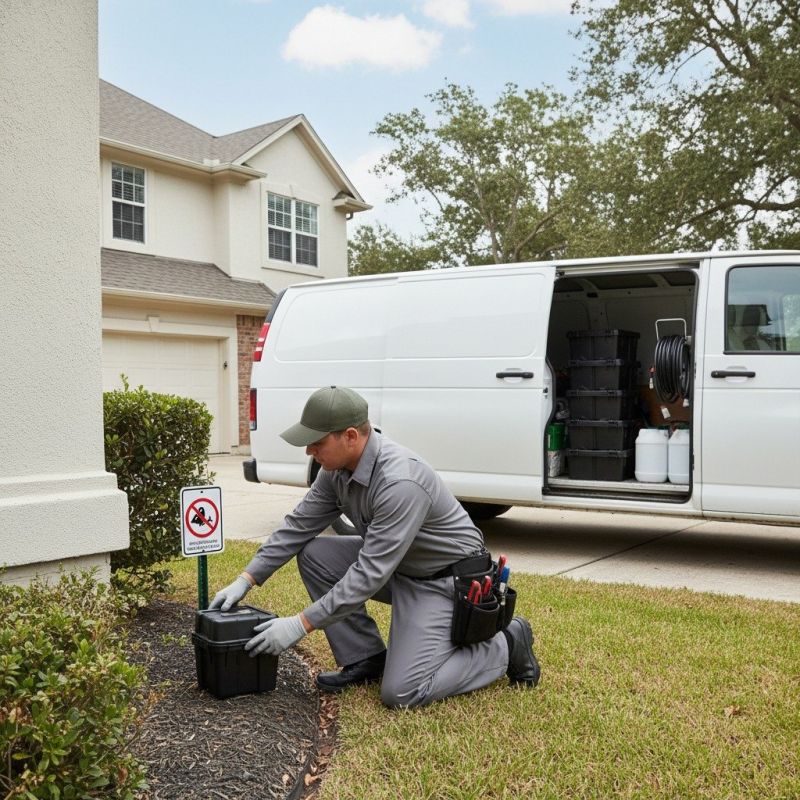
Understanding the common entry points rodents use to access properties is a practical step for homeowners dealing with unwanted pests. Rodents often enter through small gaps or cracks around doors, windows, and foundation walls, especially in areas where the building's exterior has suffered wear or damage. Additionally, openings around utility lines, vents, and pipes can serve as convenient access points. Property owners in the local area may seek guidance on identifying these vulnerabilities to prevent rodent intrusions and protect their homes from potential damage or health risks.
When it comes to addressing these entry points, local contractors specializing in rodent pest control can provide effective solutions. They typically inspect properties thoroughly to locate and seal off common entry points, helping to reduce the likelihood of future infestations. These service providers can also advise on maintenance practices that diminish the chances of rodents finding new ways inside. Connecting with experienced local pros ensures that the necessary repairs and preventative measures are handled professionally, supporting long-term pest management efforts.
What are common entry points rodents use to access properties? Rodents often enter buildings through small gaps around doors, windows, vents, and utility lines, as well as cracks in foundations and walls.
How do rodents typically gain access to attics and basements? They can climb exterior walls, use roof vents, or squeeze through small openings in the foundation or around utility entries to reach attics and basements.
Can trees or shrubs near a property serve as entry points for rodents? Yes, overhanging branches and dense vegetation can provide pathways for rodents to access roofs or upper levels of a property.
What role do gaps around pipes and wires play in rodent entry? Gaps around pipes, wires, and utility lines are common entry points, as rodents can easily chew through or squeeze into these openings.
How can local contractors help prevent rodents from entering through these points? Local pest control service providers can identify and seal common entry points, reducing the likelihood of rodent access to properties.
Inspect building foundations and walls - property owners can identify small cracks and gaps that rodents may use as entry points, with local contractors able to seal these openings effectively.
Check utility entry points - areas where utility lines enter a property often have gaps that rodents can exploit; local pros can help seal and secure these access points.
Examine vents, chimneys, and rooflines - openings around vents and chimneys are common entry points, and local service providers can install barriers or covers to prevent rodent access.
Assess garage and basement access points - doors, windows, and foundation openings in these areas are frequent entry spots, with local contractors able to reinforce and seal them properly.
If you are thinking about common entry points rodents use to access properties for a property, this guide is meant to help you understand this topic, the typical project types, and how different options might fit your plans.
When you are ready, you can use the quote form on this page to share a few details about your project. From there, local pros can review the basics and follow up with options that match what you have in mind.